Carnegie Acoustics
Better Service, Strategic Design
Elevating sound-control products into design-forward architectural elements to drive measurable business growth.
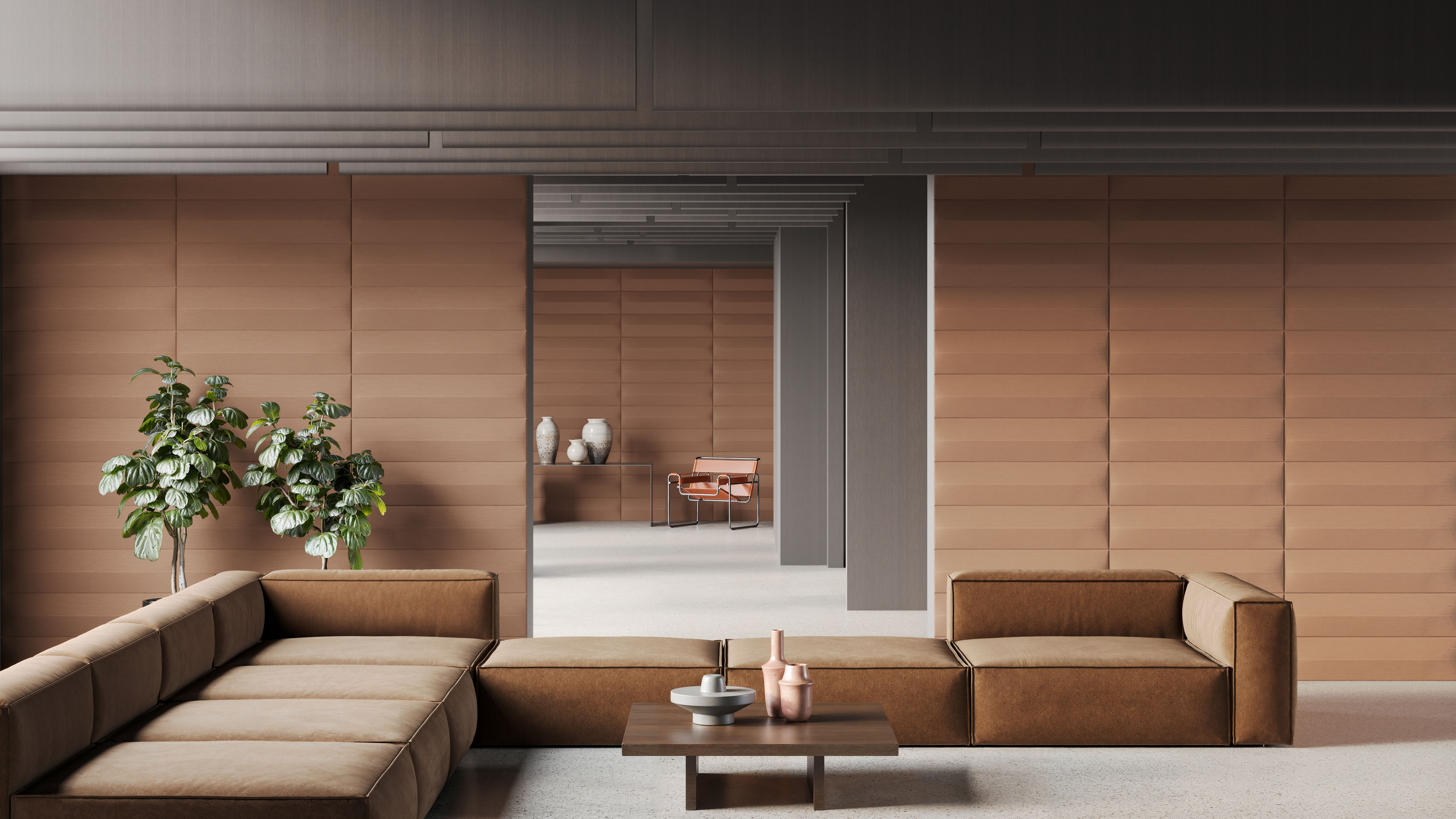

Carnegie Fabrics
10 months
October 2024
Product Design
Art Direction
IMPACT
22%
YoY Sales growth
↗
Also featured in: Dezeen, Metropolis, Azure and VMSD
CONTEXT
Launched in 2016, Xorel Artform set an early design benchmark for acoustical panels. Nearly a decade later, a more competitive market called for a refresh that reimagined the line to meet evolving client expectations.
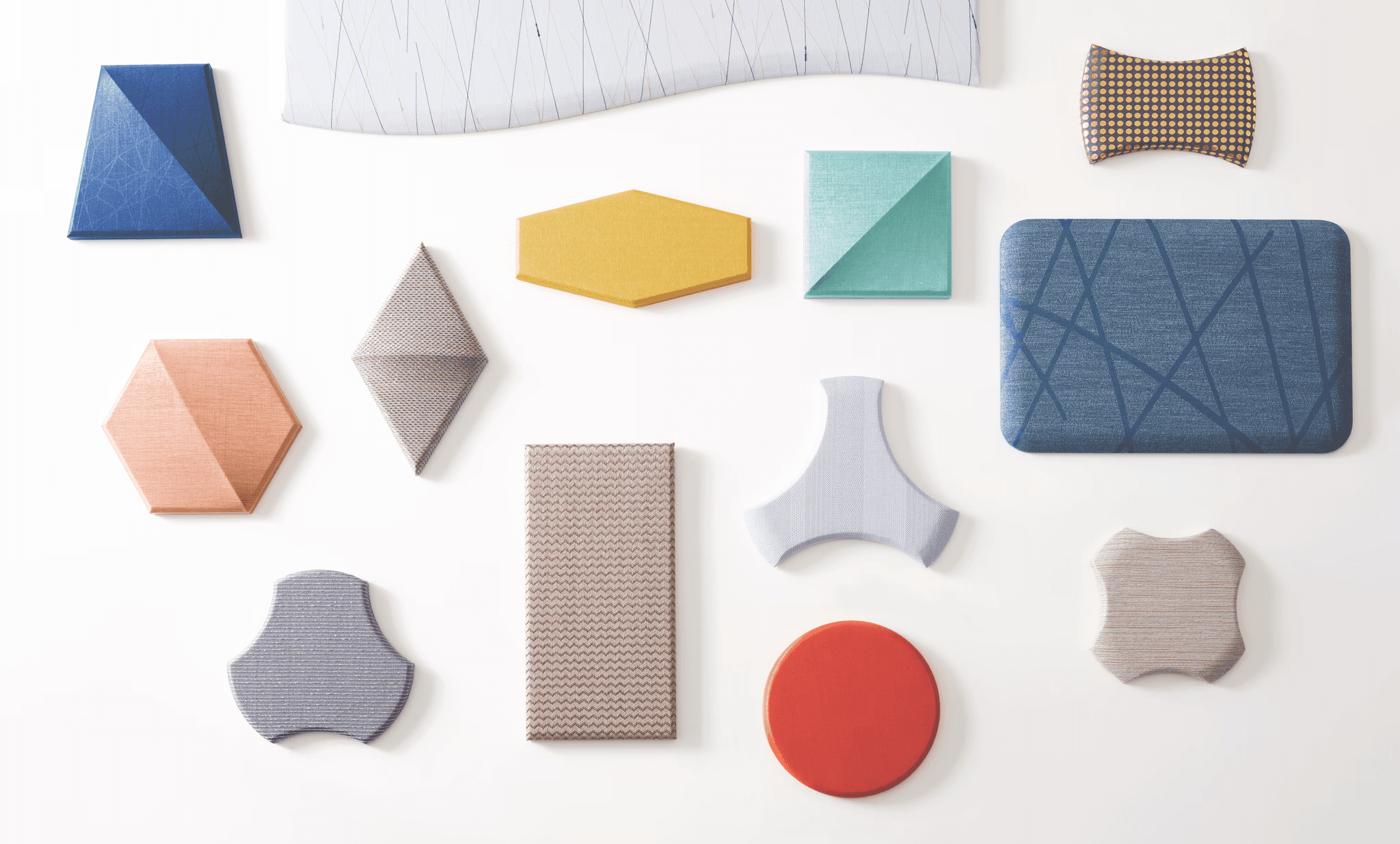
Carnegie's first acoustical product line - Xorel Artform
BACKGROUND
Understanding the Existing Line
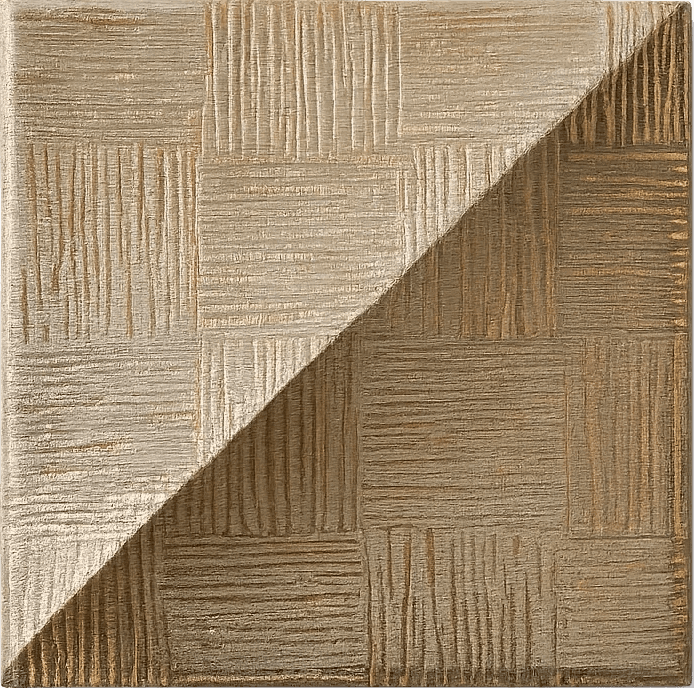
Design Flexibility
Available in over 350+ skus/pattern in 13 shapes
Patented 3D Design
Copyrighted design system one of a kind in the market
Top selling shapes were all 3D designs
High durability
East of maintenance without added finishes
Built for Easy Adoption
PVS free & Easy install
In-House manufacturing
Fast-track innovation & reduced lead times
Understanding the Gap
Through industry interviews with younger designers(via NextGen), we uncovered key gaps in the product line. From overwhelming choices and limited awareness, to a need for bolder, more statement-making options.
"we really need ceiling solutions and bolder statement pieces…something that goes beyond the basics."
Priya, Junior Interior Designer
"Xorel Artform gives me incredible flexibility, but with 13 shapes and over 350 colors, it can feel overwhelming and time-consuming to design and present to clients"
Emily, Interior Designer
"I don’t know much about this product line."
Hannah, Interior Design Intern
"I love the 3D look and performance, but cost is a barrier"
Jason, Architect
An in-house survey of 40 sales representative gave us a front-line view of the biggest challenges in selling the product.
COST BARRIER
Heard pushback from clients on price compared to alternatives.
NO CEILING SYSTEM SOLUTIONS
Reps flagged this as a frequent client request missing in the line.
WEAK CLIENT PRESENTATION TOOLS
The lack of compelling visuals made it harder to close deals.
RESEARCH
Understanding the Competition
Through research combined market analysis and competitor audits across two main groups in the acoustical product industry to see where opportunities for differentiation lay.
Carnegie Fabrics
A&D Competitors
Building Manufacturer
Industry Reputation
Easy to Specify
Scalable Production
Cost Effective
Statement Pieces
Broad Color Range
Ceiling Solutions
3D Element Desgin
RESEARCH INSIGHTS
PROBLEMS
GOALS
Overwhelming choices
Provide assist on specifying product
Lack of strong design identity
Introduce bold statement designs utilzing 3D deesign
Low brand awareness
Strengthen our brand presence
High cost
Competitive pricing
DESIGH PROCESS
Designing with Clear Goal
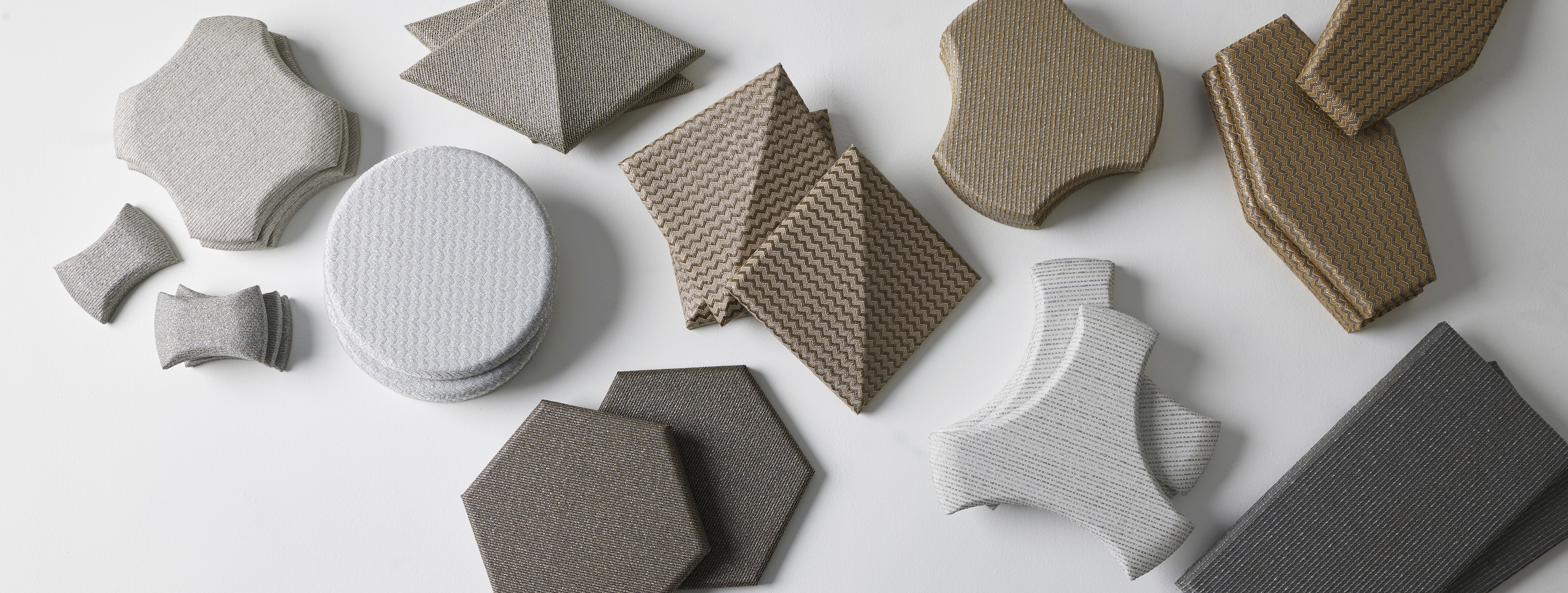
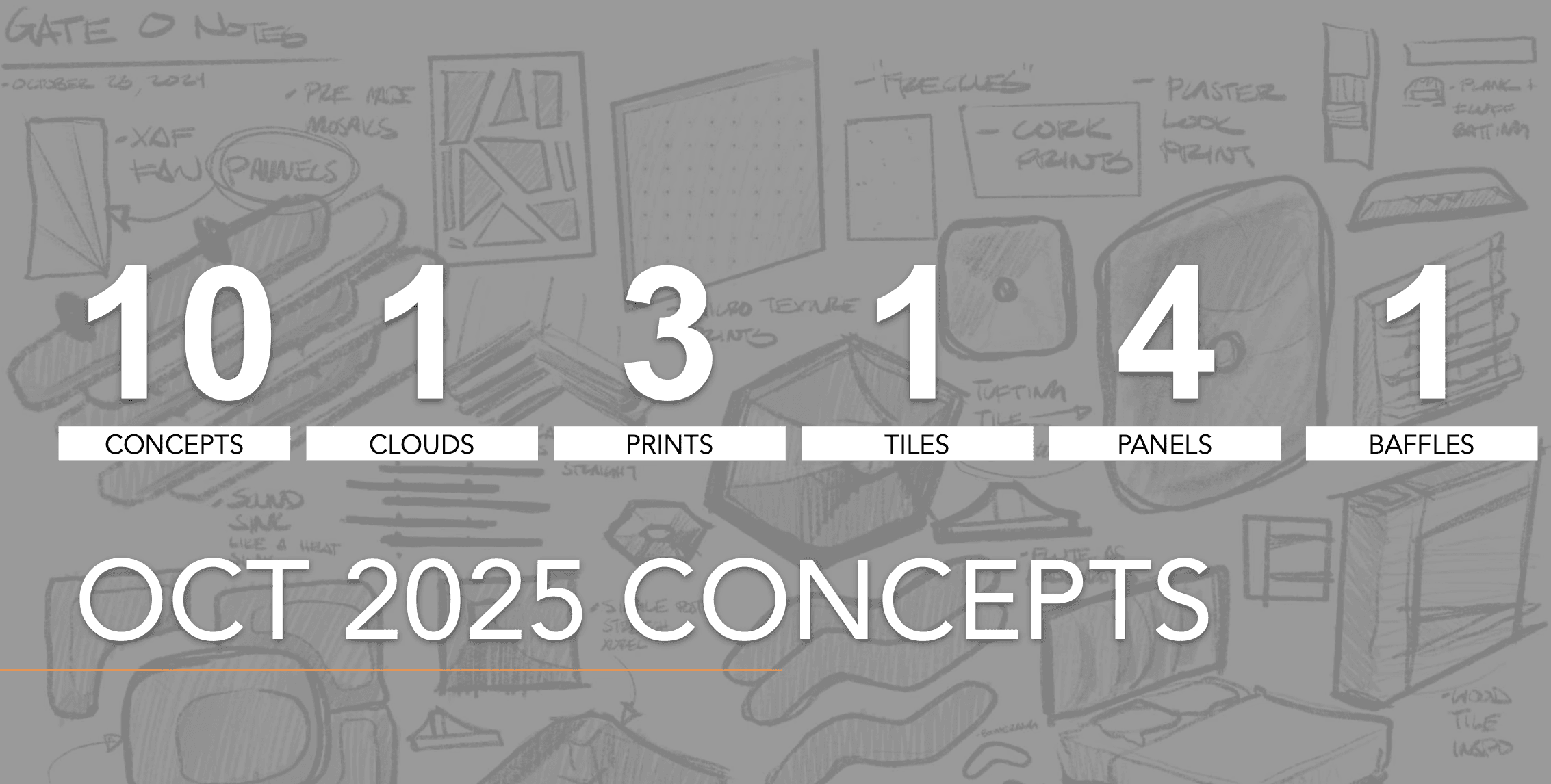
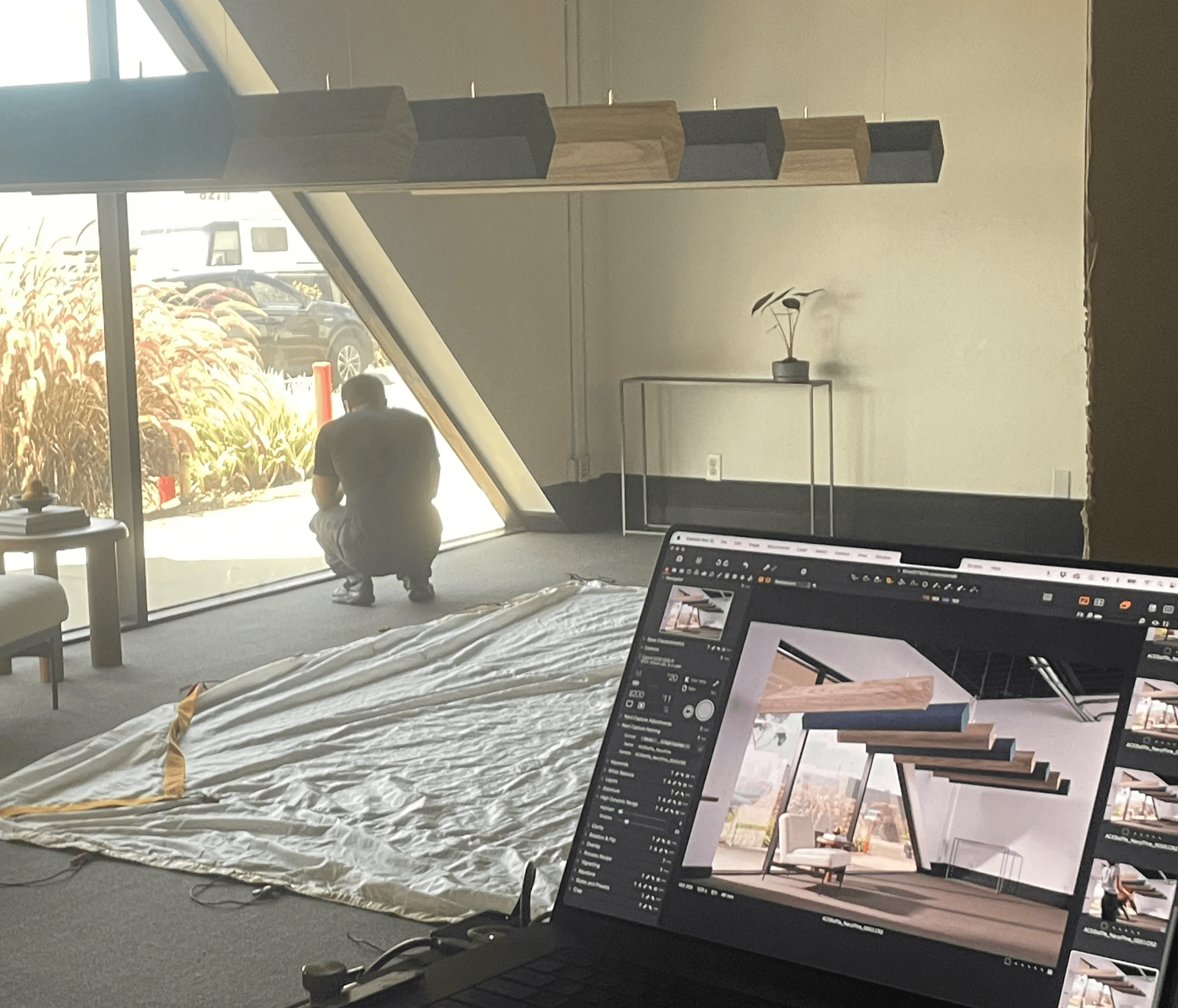
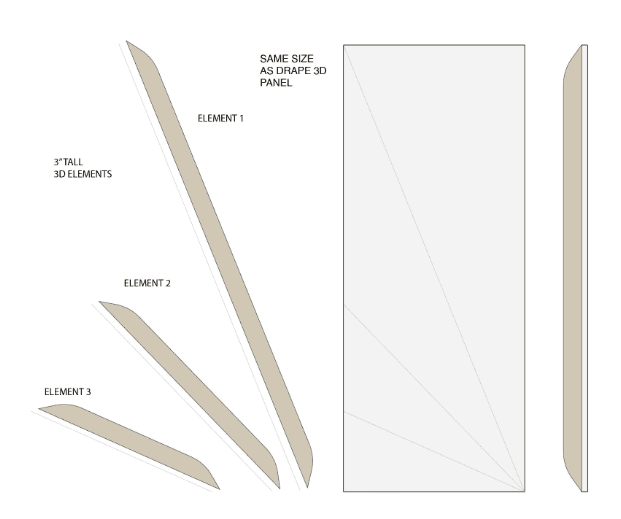
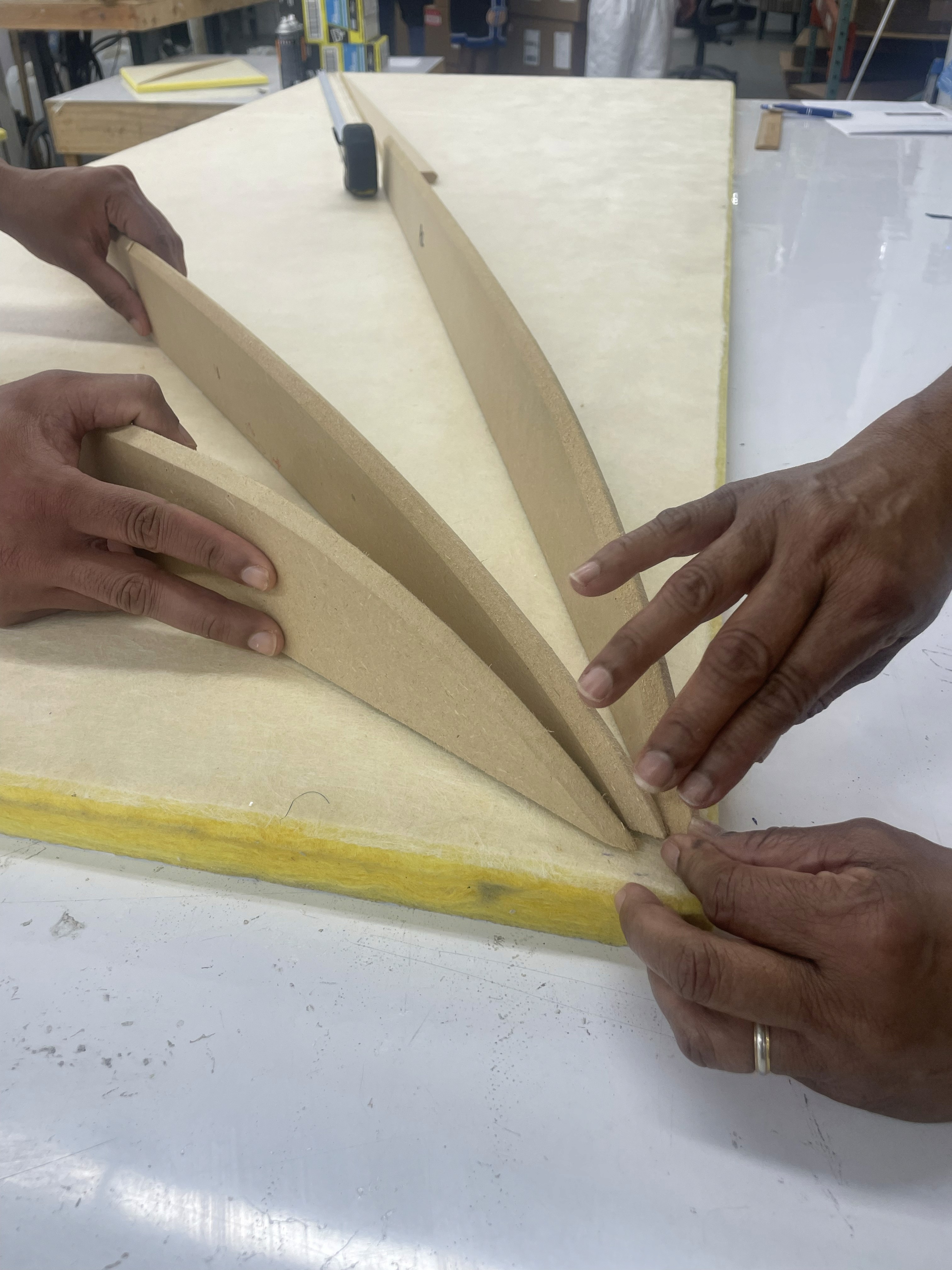
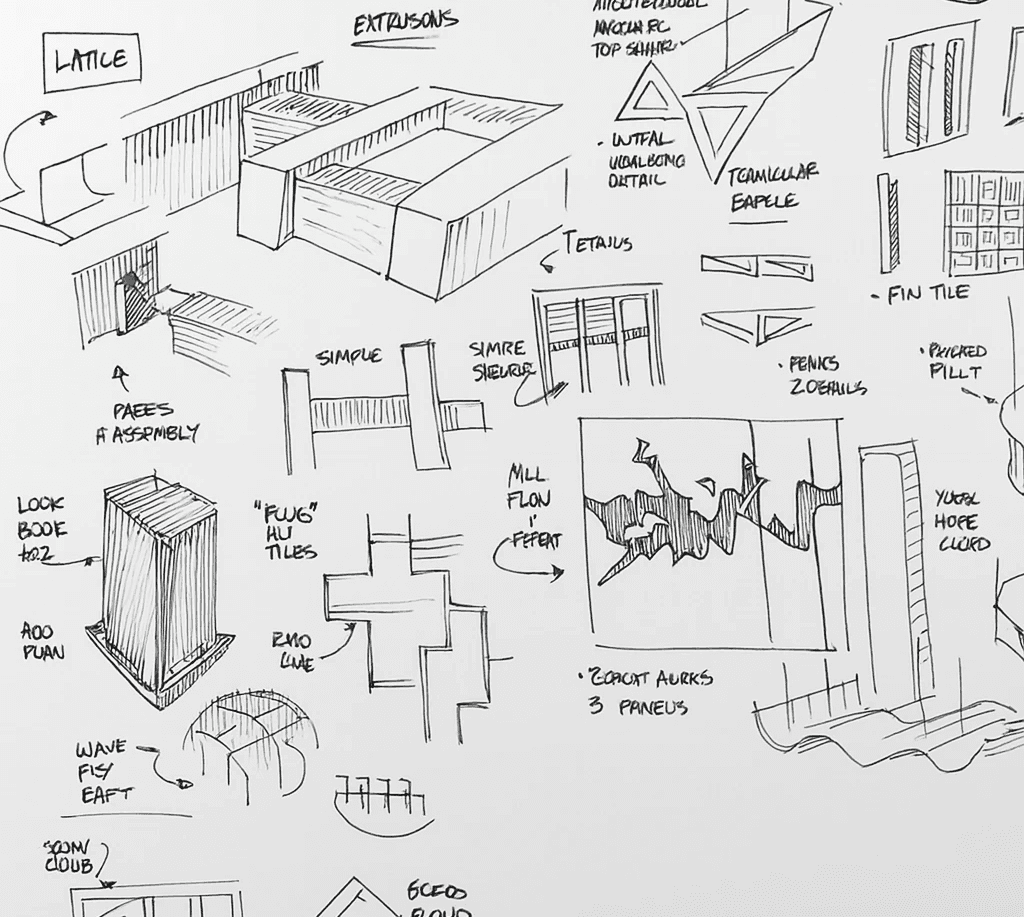
Concepts were developed through in-house trend research and sketch exploration, then refined into 3D renders and detailed technical drawings. In close collaboration with manufacturing, designs were value-engineered, prototyped, and production-tested to ensure feasibility. The final system was supported with marketing and sales tools, translating technical complexity into clear, spec-ready resources.
FINAL DESIGN
Designed for Clincial Speed
Glance surfaces only the essentials—reducing navigation, cognitive load, and time-to-action for high-pressure environments.
One Click Navigation
Intuitive entry points allow instant access to the patient dashboard without menu-diving.
Search
Schedule
ID Tags
1 CLICK
Quick access to key information
Signal Over Noise
Surfaces only high-value data: key patient details, concise summaries, and critical alerts. No clutter, no distraction.
IMPACT
Reducing Interaction Cost
A task analysis comparing the standard 'Pre-Visit Ritual' workflow against the Glance prototype.
Clinician Confidence
In usability testing, 5/5 psychiatrists successfully located risk factors in under 10 seconds, reporting significantly lower cognitive effort compared to their current tools.
REFLECTION
Limited Resources…
Accessing competitor platforms was impossible due to HIPAA regulations and enterprise licensing. Instead of guessing, I pivoted to primary research: conducting extensive user interviews to deconstruct the clinical workflow and card-sorting sessions to uncover the psychiatrists' mental models.
This constraint actually led to a more user-centered result. The final architecture was built on their actual logic, rather than simply copying existing (and often flawed) market standards.
Other Projects